Trusted Glaucoma Surgeon Serving the South Towns
Glaucoma Surgery at Lakeshore Eyecare
When glaucoma can't be controlled with eye drops or laser treatment alone, surgery becomes one of the most important tools available for protecting your vision. Glaucoma causes damage to the optic nerve, the structure that carries visual information from your eye to your brain, and that damage is permanent once it occurs. Surgery won't reverse what's already been lost, but it can significantly slow or stop the progression of the disease, which is often the difference between preserving functional vision for years to come and continuing to lose it.
At Lakeshore Eyecare, Dr. Vishal Sharma is a glaucoma surgery specialist serving patients in Hamburg, Irving, and throughout the South Towns. He brings deep expertise and a patient-centered approach to every case, taking the time to make sure you fully understand your options and feel confident in the path forward. With in-office surgical capability and access to advanced technology, Dr. Sharma provides a high level of glaucoma care close to home, without the need for long waits or distant referrals.
If you've been told that your glaucoma may need surgical treatment, or if you'd like a second opinion from an experienced glaucoma specialist near you, we'd welcome the chance to talk with you. Request an appointment online or give us a call at our Hamburg or Irving location.
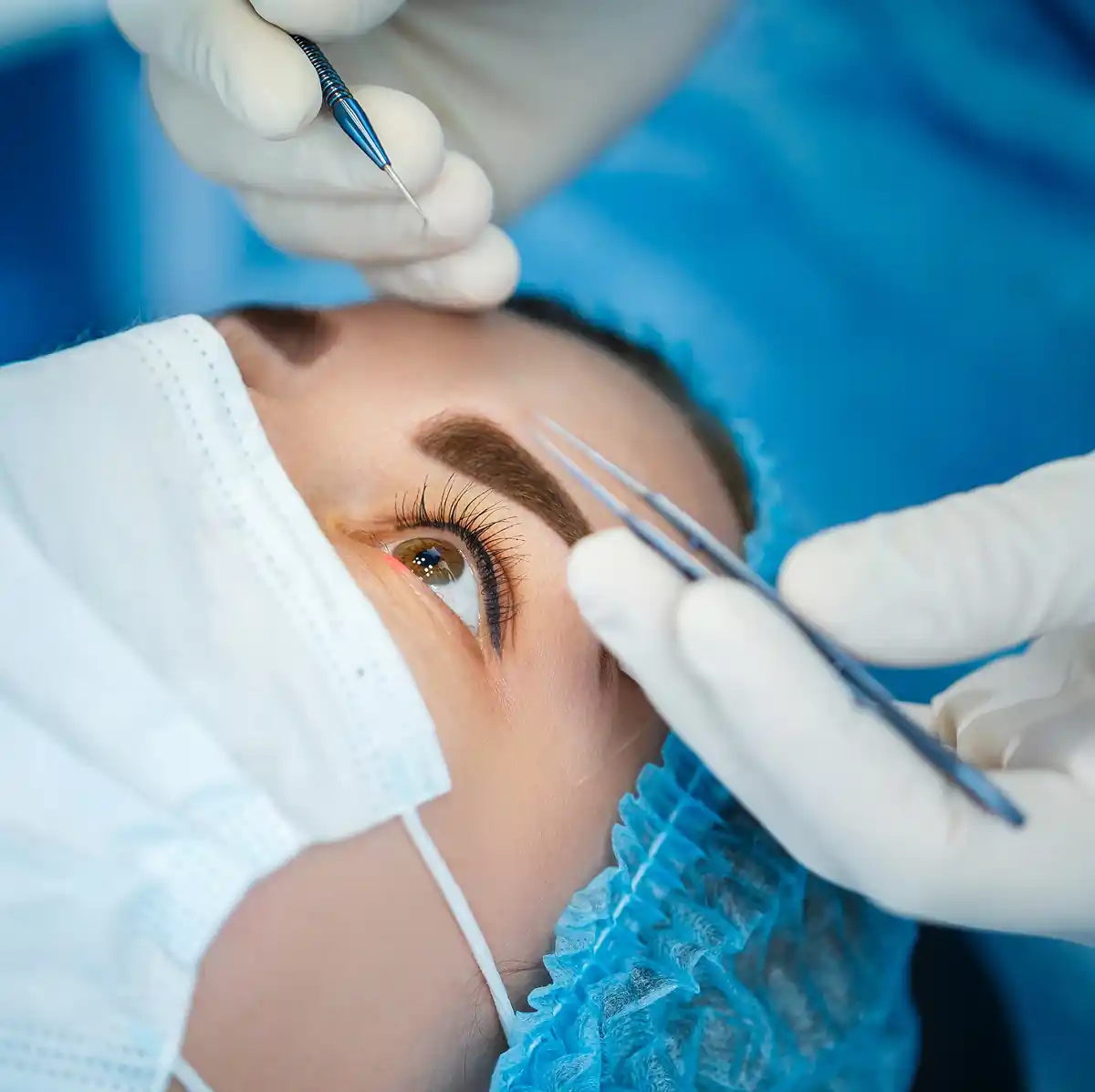
What to Expect from Glaucoma Surgery Near You at Lakeshore Eyecare
A Closer Look at Surgical Glaucoma Treatment
Glaucoma surgery is typically recommended when other glaucoma treatments haven't been enough to keep eye pressure at a safe level. The goal of every surgical approach is the same: to lower the pressure inside the eye and protect the optic nerve from further damage. Here's a closer look at how Dr. Sharma approaches surgical glaucoma care at Lakeshore Eyecare.
Signs of Glaucoma to Watch For
Most people with glaucoma don't notice any symptoms in the early stages, which is part of what makes it so difficult to catch without regular eye exams. The most common form of the disease begins by silently affecting your side vision before eventually closing in on your central vision. Less commonly, some patients experience sudden eye pain, headaches, blurred vision, or halos around lights, which can be signs of a type called acute angle-closure glaucoma that requires prompt attention. If you're noticing any of these changes, it's important to see a glaucoma doctor as soon as possible.
Why Surgery May Be Recommended
Most patients start glaucoma treatment with prescription eye drops or laser therapy, and for many people, those approaches work well for a long time. But glaucoma is a progressive condition, and in some cases it continues to advance despite treatment, or a patient's eye pressure simply doesn't respond adequately to non-surgical options. When that happens, surgery is often the most effective way to get pressure under control and preserve whatever vision remains. Dr. Sharma will only recommend surgery after a thorough review of your history, your test results, and your response to prior treatment, and he'll explain his reasoning clearly so you can make an informed decision.
Types of Glaucoma Surgery
There are several surgical approaches used to treat glaucoma, and the right choice depends on the type of glaucoma you have, how far it has progressed, and other factors specific to your eye health. Dr. Sharma will discuss which option makes the most sense for your situation during your consultation.
A trabeculectomy is one of the most established surgical procedures for glaucoma. During the procedure, Dr. Sharma creates a small opening in the white part of your eye, which allows excess fluid to drain out and reduces the pressure inside. The fluid collects in a small cushioned area under your eyelid where it's gradually absorbed by surrounding tissue. Trabeculectomy has a long track record of effectiveness and is often recommended for patients with moderate to advanced glaucoma that hasn't responded well to other treatments.
Minimally invasive glaucoma surgery, often called MIGS, refers to a group of newer procedures designed to lower eye pressure with less risk and a faster recovery than traditional surgery. These techniques use tiny instruments and small incisions to improve the eye's natural drainage system rather than creating an entirely new pathway for fluid to exit. Dr. Sharma will let you know if a MIGS procedure is appropriate for your level of glaucoma.
What Recovery Looks Like
Recovery from glaucoma surgery varies depending on the procedure, but most patients can expect some mild discomfort, redness, and blurry vision in the days following surgery, all of which typically improve as the eye heals. Dr. Sharma will schedule follow-up visits to monitor your eye pressure, check how things are healing, and make any adjustments to your post-operative care as needed. You may be asked to use antibiotic and anti-inflammatory eye drops during recovery, and there will be some temporary restrictions on activities like heavy lifting and swimming. Dr. Sharma's team will walk you through everything before you leave the office so you feel fully prepared.
Even after a successful procedure, ongoing monitoring remains essential. Your eye pressure will need to be checked regularly, and in some cases, additional treatment may be needed over time to keep the disease under control. Dr. Sharma provides comprehensive long-term follow-up care and will work with you to make sure your glaucoma treatment plan continues to meet your needs.
Frequently Asked Questions
How do I know if I need glaucoma surgery?
Surgery is usually considered when eye drops or laser treatment haven't been effective enough to keep your eye pressure at a safe level. If your glaucoma is continuing to progress despite treatment, or if you're having trouble tolerating your current medications, Dr. Sharma will discuss whether surgery makes sense for your situation. He takes a careful, individualized approach to every case and will only recommend surgery when he believes the benefits outweigh the risks for you specifically. Staying current with your exams is the most important thing you can do to make sure any changes are caught and addressed early.
Is glaucoma surgery painful?
Most patients are pleasantly surprised by how manageable glaucoma surgery is. The eye is thoroughly numbed before the procedure begins, so you shouldn't feel pain during the surgery itself. Afterward, it's normal to experience some discomfort, a gritty or sore feeling, and sensitivity to light for a few days as your eye heals. Dr. Sharma will make sure you know exactly what to expect before your procedure, and his team is always available to help you figure out whether something you're experiencing is a normal part of recovery or something that needs attention.
Can glaucoma surgery restore vision I've already lost?
Unfortunately, glaucoma surgery can't reverse vision that has already been lost due to optic nerve damage. What it can do is slow or stop the progression of the disease, protecting the vision you have left. This is one of the most important reasons why early detection matters so much. The more vision that can be preserved before surgery becomes necessary, the better your quality of life after surgery is likely to be. If you haven't had a comprehensive eye exam recently, scheduling one with a glaucoma doctor near you is one of the best steps you can take for your long-term eye health.
How do I schedule a consultation with a top glaucoma surgeon near me?
Scheduling your consultation at Lakeshore Eyecare is easy! You can request an appointment online, or give us a call at our Hamburg or Irving location, and our team will help you find a time that works for your schedule.
We look forward to meeting you and helping you protect your vision for years to come.