Protecting Your Vision When It Matters Most | Diabetic Eye Care
Diabetic Eye Care in Hamburg & Irving, NY
Diabetes affects nearly every system in the body, and your eyes are no exception. Over time, high blood sugar can damage the tiny blood vessels that supply your retina, the light-sensitive tissue at the back of your eye. This condition, known as diabetic retinopathy, is one of the leading causes of vision loss in adults, and what makes it especially concerning is that it often develops without any warning signs. By the time you notice changes in your vision, significant damage may already have occurred. Regular diabetic eye exams are important because they allow your doctor to detect and monitor changes before they become serious.
At Lakeshore Eyecare, our team provides comprehensive diabetic eye care for patients in Hamburg, Irving, and the surrounding South Towns. Using advanced imaging technology, we can evaluate the health of your retina in detail and track any changes over time. Whether you've been living with diabetes for years or were recently diagnosed, staying on top of your eye health is one of the most important things you can do to protect your vision.
Scheduling a diabetic eye exam at Lakeshore Eyecare is easy. Request an appointment online or give us a call, and let's make sure your eyes are well taken care of.
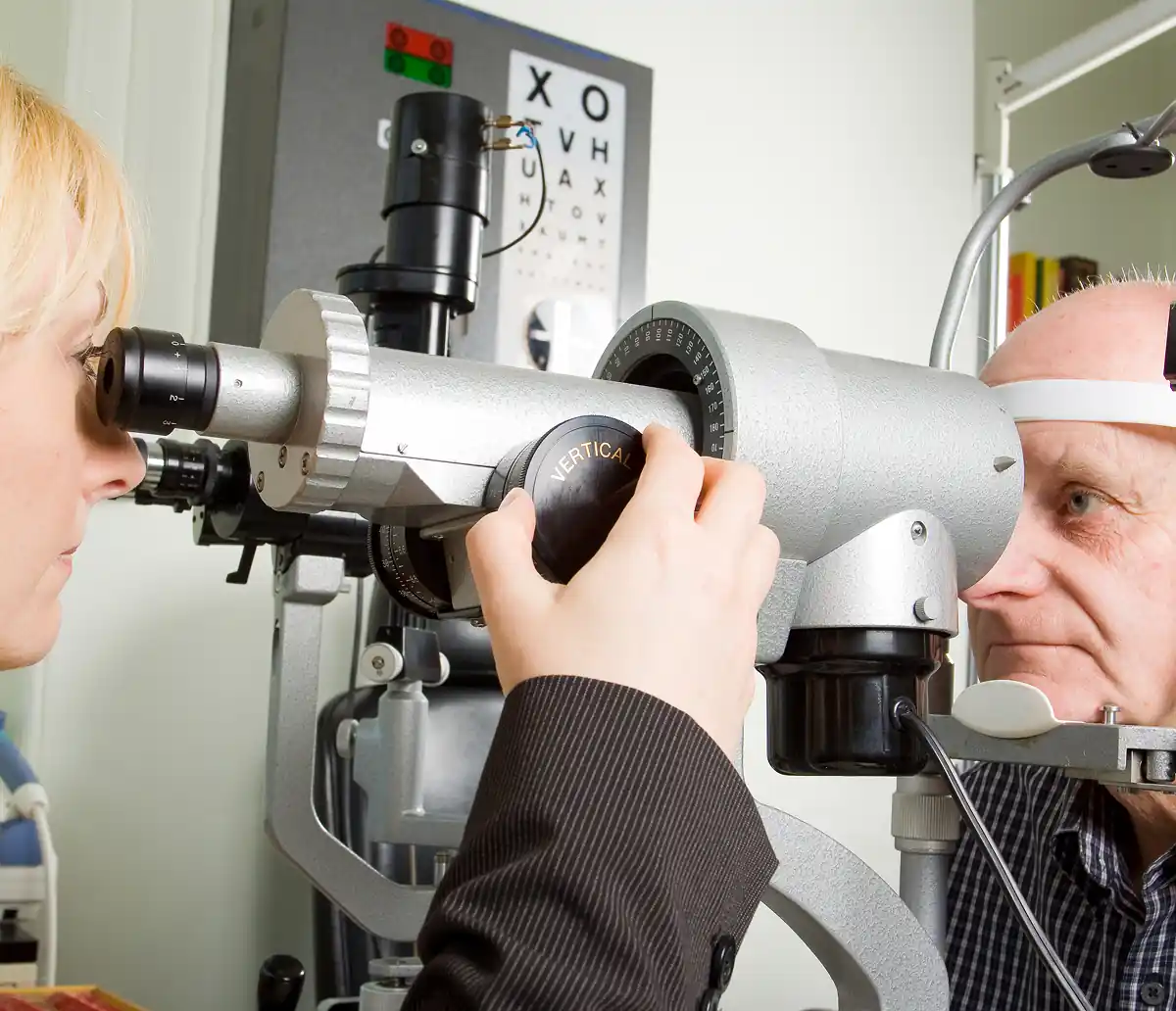
Advanced Retinal Imaging & Monitoring for Patients with Diabetes
What You Should Know About Diabetic Eye Disease
Diabetes can affect the eyes in several ways, and understanding what's happening (and what to watch for) can make a real difference in your long-term vision. Here's a closer look at the conditions we screen for and how Lakeshore Eyecare approaches diabetic eye care.
Diabetic Retinopathy
Diabetic retinopathy is the most common eye complication of diabetes. It occurs when elevated blood sugar levels damage the small blood vessels in the retina, causing them to swell, leak fluid, or grow abnormally. In the early stages, called non-proliferative diabetic retinopathy, most patients have no symptoms at all. As the condition progresses into proliferative diabetic retinopathy, new but fragile blood vessels begin to grow on the surface of the retina, which can bleed into the eye and lead to serious vision problems, including blindness if left untreated.
Regular monitoring is the most effective way to stay ahead of diabetic retinopathy. Our team uses the Zeiss OCT system to capture detailed images of your retinal tissue, making it possible to identify changes at the earliest possible stage, when treatment is most effective.
Diabetic Macular Edema
The macula is the small central area of the retina responsible for sharp, detailed vision, the kind you use for reading, recognizing faces, and seeing fine detail. In some patients with diabetes, fluid leaks from damaged blood vessels and accumulates in the macula, causing it to swell. This condition, called diabetic macular edema, can blur or distort your central vision and is one of the most common causes of vision loss among people with diabetes.
Because the macula is so critical to everyday visual function, early detection is especially important. Our use of advanced retinal imaging means even subtle swelling can be identified and addressed before it significantly impacts your vision.
Other Eye Conditions Associated with Diabetes
Diabetes also increases your risk of developing other serious eye conditions. Patients with diabetes are more likely to develop cataracts at a younger age, and they are also at a higher risk of developing glaucoma, a condition that damages the optic nerve and can lead to permanent vision loss. Our team screens for both conditions as part of a comprehensive diabetic eye exam, giving you a thorough picture of your overall eye health in a single visit.
How Often Should You Have a Diabetic Eye Exam?
Most eye care guidelines recommend that patients with diabetes have a dilated eye exam at least once a year, though we may recommend more frequent visits depending on your individual situation. Factors like how long you've had diabetes, how well your blood sugar is controlled, and whether any early changes have already been detected will all influence how often you should be seen. During your visit, your eye doctor will work with you to establish a monitoring schedule that fits your health needs.
Why Choose Lakeshore Eyecare for Diabetic Eye Care?
Lakeshore Eyecare is equipped with some of the most advanced diagnostic tools available, and our patient-centered approach means you'll never feel rushed or left with unanswered questions. We take the time to explain what we’re seeing in your exam, what it means for your health, and what steps, if any, need to be taken.
Frequently Asked Questions
How does diabetes affect my eyes?
Diabetes can damage the blood vessels in your retina over time, leading to a condition called diabetic retinopathy. It can also increase your risk of developing other eye conditions, including cataracts and glaucoma. The tricky part is that many of these changes happen without any noticeable symptoms in the early stages, which is why regular eye exams are so important for anyone living with diabetes. Catching problems early gives our team the best opportunity to monitor the situation closely and help protect your long-term vision.
Do I need a diabetic eye exam even if my vision seems fine?
Yes, and this is one of the most important things to understand about diabetic eye disease. Many of the most serious complications, including early-stage diabetic retinopathy and macular swelling, don't cause noticeable changes to your vision right away. By the time you notice blurring or distortion, the condition may have already progressed significantly. A routine eye exam with your eye doctor allows them to detect these changes early using advanced imaging technology, giving you the best chance of preserving clear vision for the long term.
How does a diabetic retina specialist check for diabetic eye disease?
Our team uses a dilated eye exam combined with the Zeiss Optical Coherence Tomography (OCT) system to evaluate the health of your retina and other eye structures. During a dilated exam, drops are used to widen your pupils so that we can see the back of your eye more clearly. The OCT system then creates detailed, cross-sectional images of your retinal tissue, allowing your eye doctor to detect even subtle signs of damage or swelling that might not be visible otherwise. It's a thorough, non-invasive process that provides a clear picture of your eye health.
How do I schedule an appointment for diabetic eye care near me?
Scheduling your consultation at Lakeshore Eyecare is easy! You can request an appointment online, or give us a call at our Hamburg or Irving location, and our team will help you find a time that works for your schedule.
We look forward to seeing you and helping you protect your vision for years to come.