Blepharoplasty Surgery for Upper & Lower Eyelids
Eyelid Surgery at Lakeshore Eyecare
Your eyelids do a lot more than you might realize. They protect your eyes, help keep them moist, and play a big role in how rested, alert, and approachable you look to the world. But over time, the skin around the eyes tends to lose its firmness, and the muscles and tissues underneath can weaken and stretch.
For some people, this leads to drooping or sagging upper eyelids that make them look tired even when they're not. For others, it causes puffiness or loose skin on the lower lids that's hard to conceal. In some cases, drooping upper eyelids can even start to affect your peripheral, or side, vision, making it a functional concern as much as a cosmetic one.
Blepharoplasty, or eyelid lift surgery, is a procedure that addresses these changes by removing or repositioning excess skin, fat, and tissue around the eyelids. It's one of the most commonly performed procedures in facial cosmetic surgery, and when done well, the results look natural and refreshed rather than dramatically different. At Lakeshore Eyecare, Dr. Vishal Sharma is an experienced eyelid surgery specialist who performs both upper and lower blepharoplasty for patients in Hamburg, Irving, and across the South Towns.
If drooping or puffy eyelids have been bothering you, we'd love to help you explore your options. Request an appointment online or give us a call at our Hamburg or Irving location to get started.
What to Expect from Upper & Lower Blepharoplasty Near You
What You Should Know About Eyelid Lift Surgery
Eyelid surgery is a highly personalized procedure, and the right approach depends on which eyelids are involved, what's causing the problem, and what you're hoping to achieve. Here's a closer look at how blepharoplasty works and what the process looks like at Lakeshore Eyecare.
Upper Eyelid Surgery
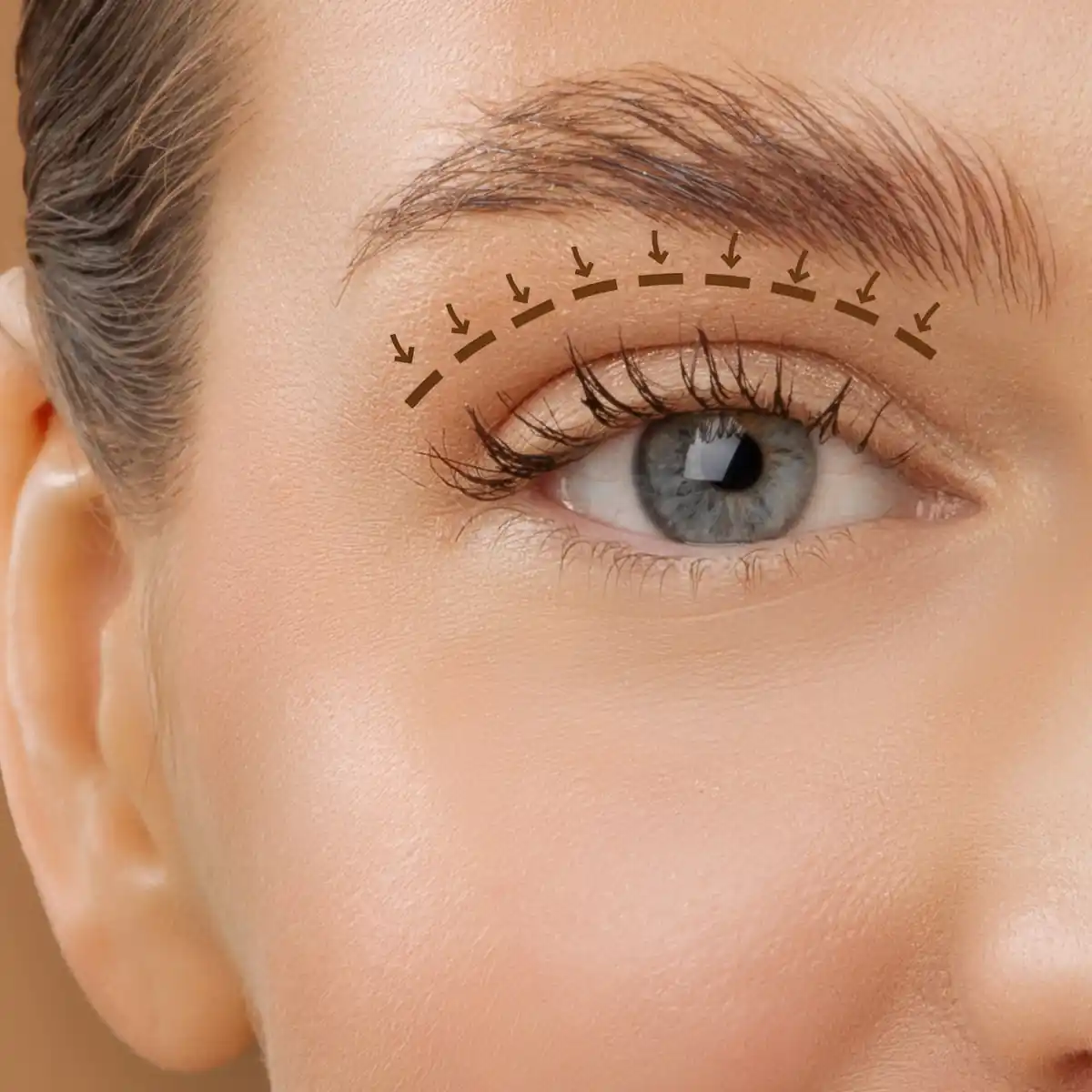
Upper blepharoplasty is the more commonly performed of the two procedures. It involves removing the excess skin and, in some cases, a small amount of underlying fat that has caused the upper eyelid to droop or hood over the eye. The incision is placed in the natural crease of the eyelid, so any scarring is well hidden once healed. The result is a more open, alert appearance that still looks like you, just a more rested version.
In some patients, upper eyelid drooping is severe enough to block part of the visual field, making it difficult to see clearly at the outer edges of their vision. When this is the case, upper blepharoplasty may be considered medically necessary rather than purely cosmetic, and it's an important reason to have your eyelid concerns evaluated by a physician rather than just a cosmetic provider.
Lower Eyelid Surgery
Lower blepharoplasty targets the puffiness, bags, and loose skin that can develop under the eyes over time. Fat pads beneath the lower lids can bulge forward as the tissue holding them in place weakens with age, creating that characteristic under-eye puffiness that no amount of sleep or concealer seems to fix. During lower eyelid surgery, Dr. Sharma repositions or removes the excess fat and tightens the surrounding skin to create a smoother, more youthful contour under the eye.
The incision for lower blepharoplasty is typically placed just below the lower lash line, keeping it discreet and well-concealed as it heals.
Are You a Good Candidate for Eyelid Surgery?
Good candidates for blepharoplasty are generally in good overall health, don't smoke, and have realistic expectations about what surgery can and can't accomplish. It's also important that your eyes are healthy before undergoing any procedure around them, which is why Dr. Sharma will perform a thorough eye exam as part of your consultation. If you have any underlying eye conditions, such as glaucoma or dry eye, he'll factor those into his recommendations to make sure eyelid surgery is safe and appropriate for you.
What the Procedure and Recovery Look Like
Eyelid surgery is typically performed as an outpatient procedure, meaning you go home the same day. You'll be given local anesthesia to numb the area, and most patients report feeling little to no discomfort during the procedure itself. The surgery generally takes one to two hours, depending on whether both upper and lower lids are being treated.
After surgery, it's normal to experience some swelling, bruising, and mild discomfort around the eyes for a week or two. Most patients feel comfortable returning to work and light daily activities within seven to ten days, though you'll want to avoid strenuous exercise and activities that strain the eyes for a few weeks. Dr. Sharma will give you detailed aftercare instructions and schedule follow-up visits to make sure your healing is progressing well.
Frequently Asked Questions
What's the difference between upper and lower eyelid surgery?
Upper blepharoplasty focuses on removing excess skin and fat from the upper eyelid that has caused it to droop or sag, while lower blepharoplasty addresses the puffiness, bags, and loose skin that develop below the eye. Some patients need only one procedure, while others benefit from having both done at the same time. During your consultation, Dr. Sharma will examine your eyelids carefully and talk with you about your concerns and goals to figure out which approach, or combination of approaches, is the right fit for your situation.
Will eyelid surgery leave visible scars?
Dr. Sharma takes great care to place incisions in the most discreet locations possible. For upper eyelid surgery, the incision sits in the natural fold of the upper lid, where it becomes virtually invisible once healed. For lower blepharoplasty, the incision is placed just below the lash line and fades significantly over time. Most patients find that any residual scarring is well-hidden and easy to conceal if needed during the healing process. Following Dr. Sharma's aftercare instructions carefully plays a big role in how well your incisions heal.
Can eyelid surgery improve my vision?
In some cases, yes. When the upper eyelid droops low enough to obstruct your line of sight, upper blepharoplasty can remove the excess tissue that's blocking your peripheral vision and make a noticeable difference in how clearly and comfortably you can see. This is why it's so important to have your eyelids evaluated by an eye doctor rather than a cosmetic provider alone. Dr. Sharma can assess whether your drooping eyelids are affecting your vision and help you understand whether your procedure may have both functional and cosmetic benefits. A comprehensive eye exam is the best place to start.
How do I schedule a consultation with an eyelid surgeon near me?
Scheduling your consultation at Lakeshore Eyecare is easy! You can request an appointment online, or give us a call at our Hamburg or Irving location, and our team will help you find a time that works for your schedule.
We look forward to meeting you and helping you look and feel your best.